

Abortion in Jalisco: a tangible reality


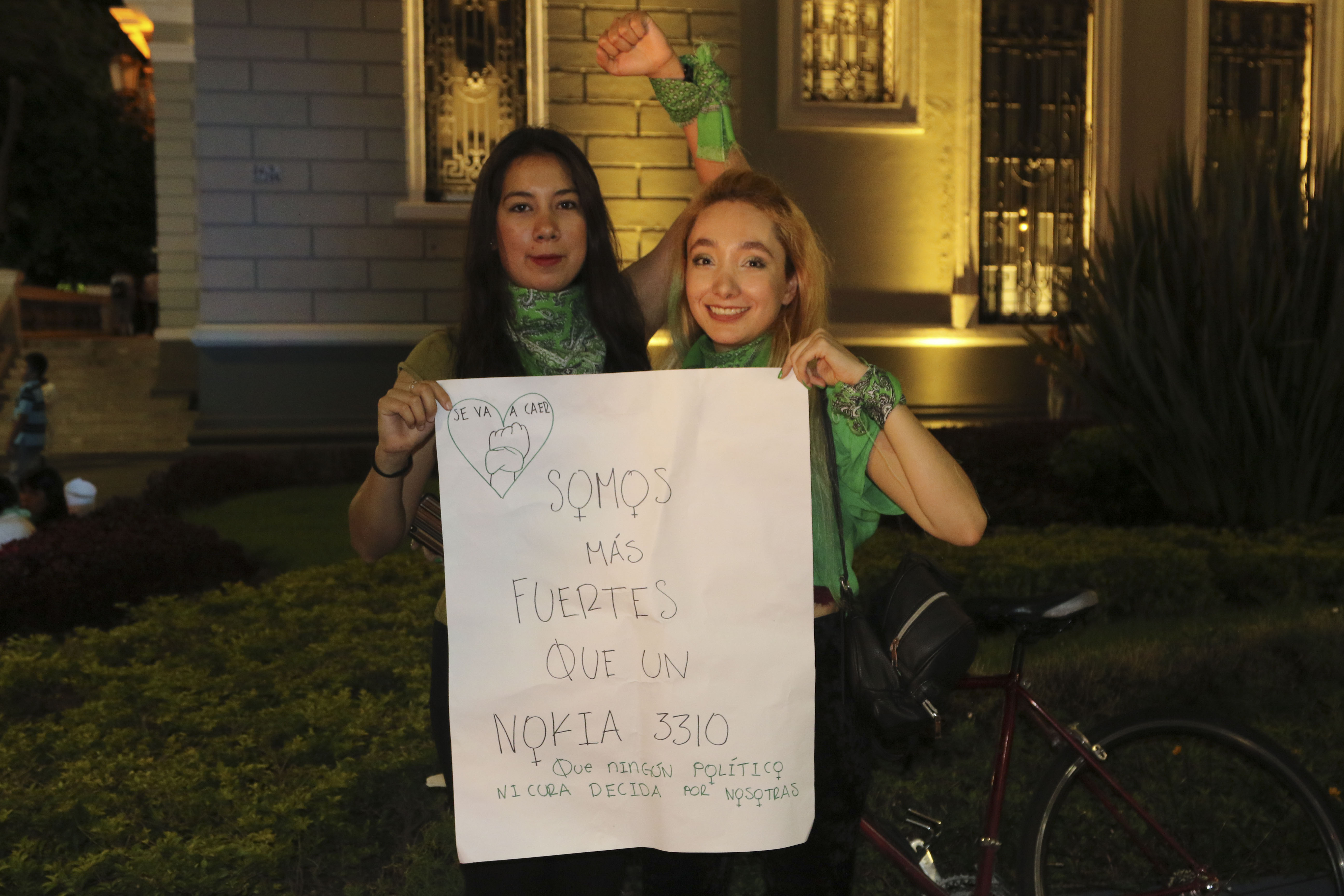
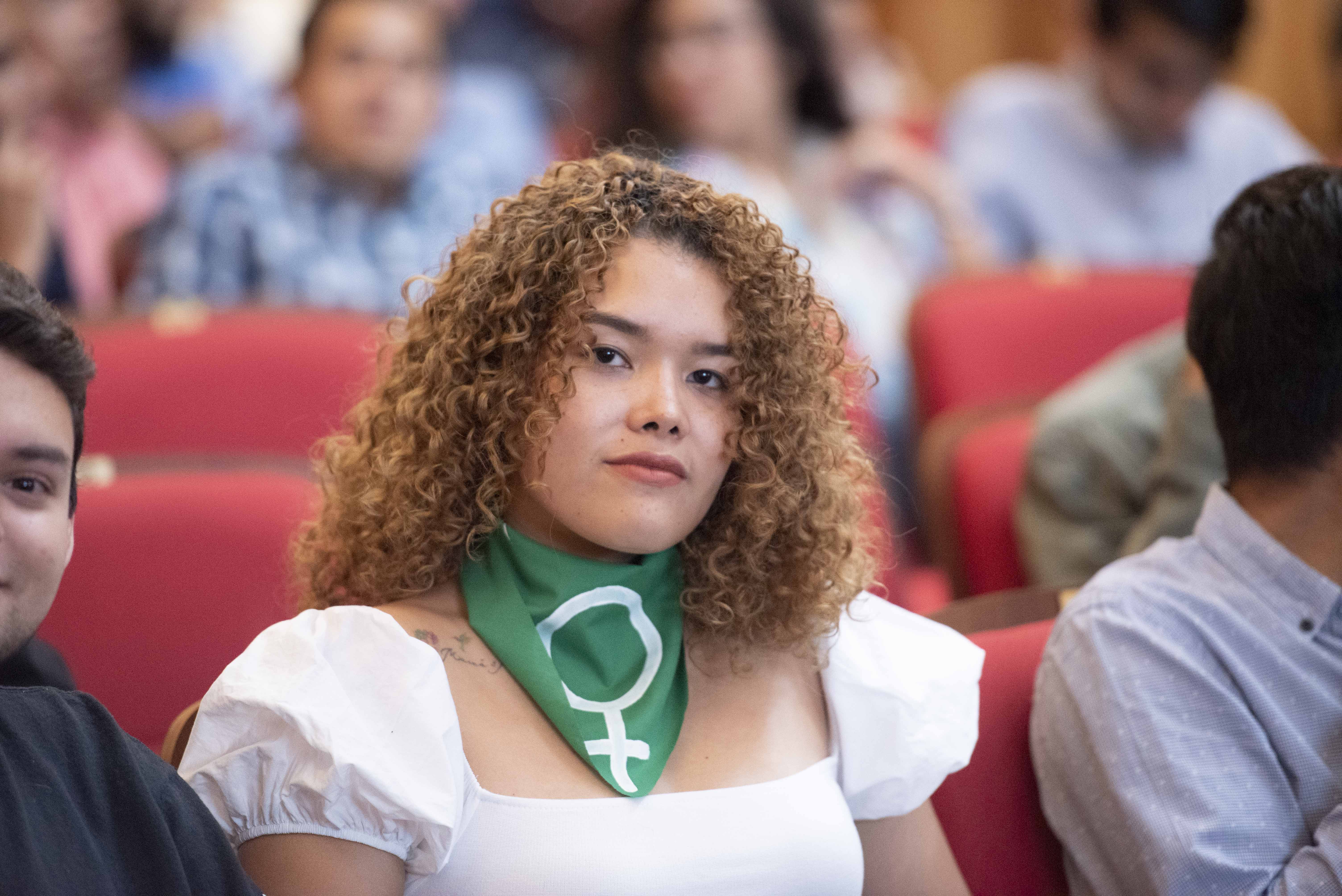

The decriminalization of abortion in Jalisco, approved in October 2024, brought with it a significant advance in the reproductive rights of women and pregnant people. One of these was the recent opening of the first private clinic for the termination of pregnancywhich allows women and people who need it to have a safe abortion without having to travel to other places, such as Mexico City.
Despite a healthcare system working against them
The Coordinator of Medical Specialties of Centro Universitario de Ciencias de la Salud (CUCS), of the UdeG And specialist in gynecology and obstetrics, Dr. Eva Elizabeth Camarena Pulido, defines abortion as "the termination of pregnancy, whether spontaneous or induced, when the product of gestation is less than 22 weeks, or weighs less than 500 grams."
According to Camarena Pulido, Jalisco, being a very conservative state, tends to perceive abortion as a negative experience.
“We must understand that there are currently human rights and legislation that, as public servants, we must respect. This includes the reproductive rights of patients who have the right to determine the number of children they want to have, especially if violence is present or the life of the pregnant woman is at risk,” she stated.
Today there are three medical ways to access an induced abortion: through medication, Manual Vacuum Aspiration (MVA) under local anesthesia, and MVA under intravenous sedation; and the type of abortion to be performed will depend on the week of gestation. In Jalisco, abortions can only be performed before 12 weeks.
Despite the existence of many networks that have supported at-home abortions (which have been the option women have had to resort to due to criminalization), Camarena Pulido asserted that the best way to carry out an abortion is under the specialized care of health personnel.
“It is not safe to undergo an abortion without the care of trained personnel to avoid complications that can endanger the reproductive function or life of the person undergoing the abortion,” the doctor added.
However, women and pregnant people who require an abortion face many challenges imposed by the morality of health personnel, who criminalize, judge, and refuse to treat patients.
“Access to hospitals that do provide legal abortion services has the task of ceasing to judge women who decide to have abortions and training public servants who are related to the abortion process (doctors, psychologists, nurses, social workers, among others). “This lack of conscientious staff and supplies, as indicated by the technical guidelines, can hinder the provision of safe abortions,” added Camarena Pulido.
For now, The public health system in Jalisco offers free abortions through the Women's Hospital and the Western General Hospital, provided that the woman or pregnant person has been a victim of rape, the pregnancy represents a serious harm to her health and/or that continuing with the pregnancy could cause her death.
Mental health before and after abortion
Women and pregnant people have abortions for many reasons, namely: because it may affect their life plans, for economic, family, or violence-related reasons; to avoid putting their lives at risk; to provide for their other children, or to protect their emotional health, etc., emphasized the Director of the Center for Studies on Learning and Development of the Department of Basic Psychology of the CUCS and representative in Jalisco of the Network for Sexual and Reproductive Rights in Mexico, Dr. Martha Patricia Ortega Medellín.
“Continuing an unwanted pregnancy often has many negative consequences. The pregnancy process is not easy; there are bodily changes and changes in the social environment; there is no guarantee of care, neither from the partner nor from the State; there is no support. Thinking about all of this creates an enormous emotional burden that affects and depresses women, and to this we can add economic and family circumstances that increase the tension. (Pregnancy) is experienced as an imposition and something very difficult for women and pregnant people,” she emphasized.
During this latest feminist wave, in which abortion has been a recurring theme in public policy, opposition groups have filled the issue of abortion with myths and fears. One of them is that women and people who have abortions live with regret for the rest of their lives and that the depression they face, when making a decision of that magnitude, leads them to sink into an incurable sadness.
However, as Ortega Medellín explained, women have been socially conditioned to be unable to make their own decisions: “Even if it’s a very simple matter, like whether or not to go to a party or to study a particular subject, we are always seen as being influenced by our parents’ opinions; we are always seen as incapable of making a decision. And when the issue of abortion comes up, this pattern is replicated.” In the vast majority of cases, when the woman or pregnant person has already decided to have an abortion, and after the difficult procedure, she feels much freer and safer. "Of course, support is often necessary to ensure their well-being, but that should also be provided after childbirth," she added.
For Ortega Medellín, the decriminalization of abortion in Jalisco came late, but it finally arrived: “It is a total advance in matters of reproduction and public health care for women and pregnant people; it gives people who want to terminate their pregnancy the opportunity to have health specialists who take care of them, protecting their lives and their reproductive health. There is still much to be done, many stigmas to overcome in hospitals, but also within families. Women and people who have abortions need support, and for that we must offer them understanding, empathy, and safety."He added.
Through its Facebook page, the Network for Sexual and Reproductive Rights in Jalisco offers information and personalized support for women and pregnant people who want to terminate their pregnancy: https://www.facebook.com/ddeserjalisco/?locale=es_LA
Attentively
"Piensa y Trabaja"
“1925-2025. A Century of Thinking and Working”
Guadalajara, Jalisco, February 25, 2025
Text: Anashely Fernanda Elizondo Corres
Photography: Anashely Elizondo | Iván Lara | David Valdovinos
- 7710 views