

“Music in Guadalajara in the 19th Century”, a book that contains much more than history
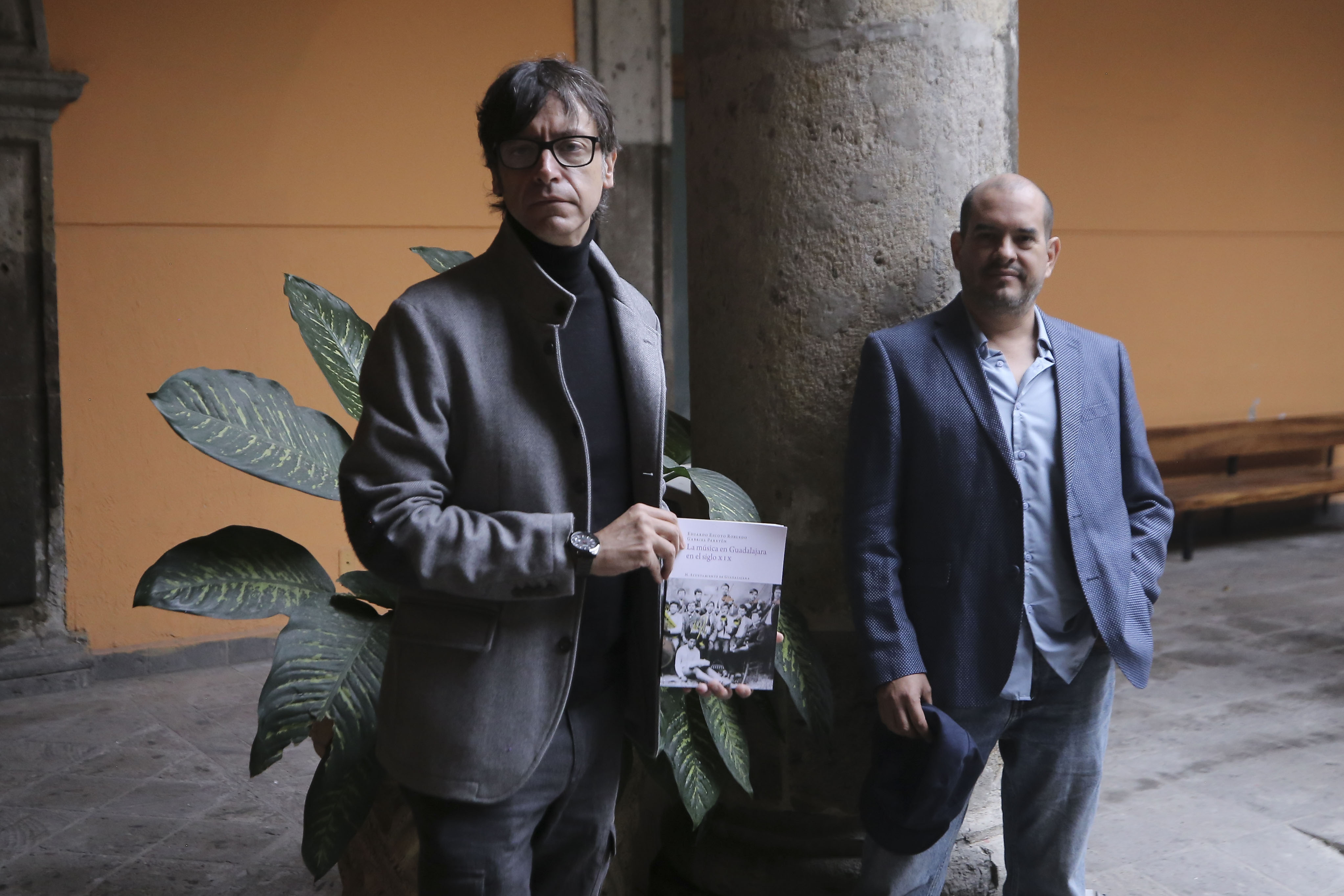
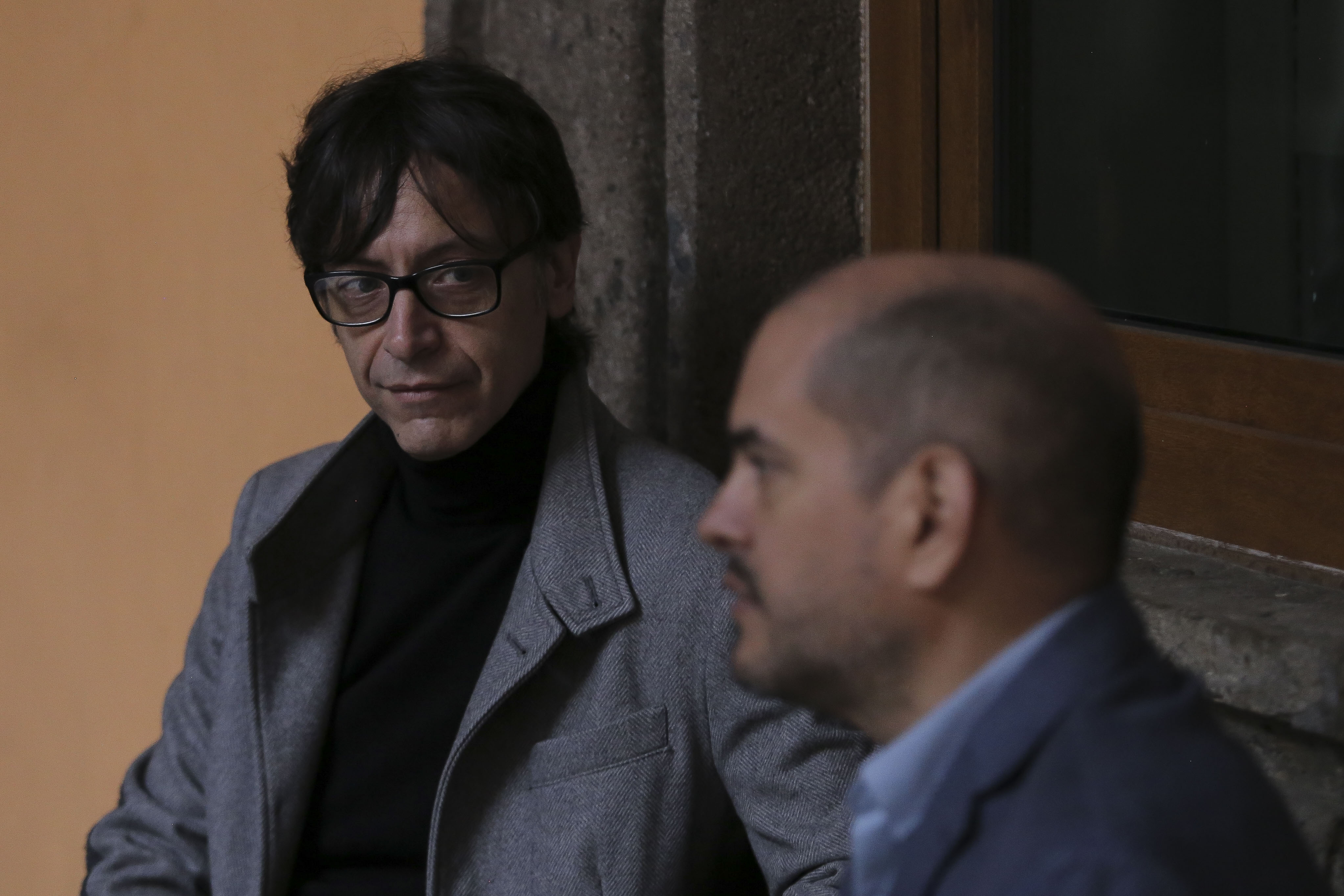
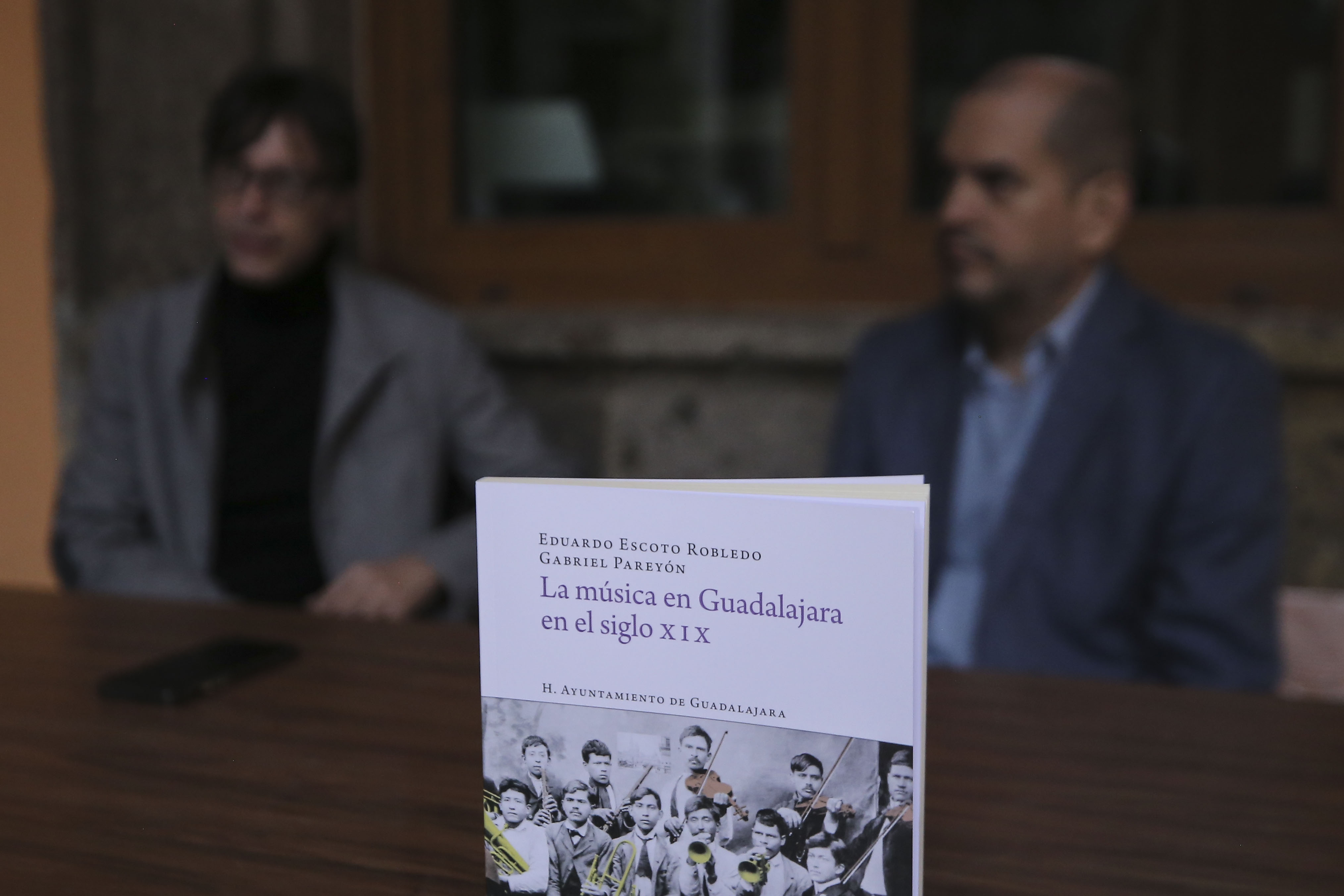
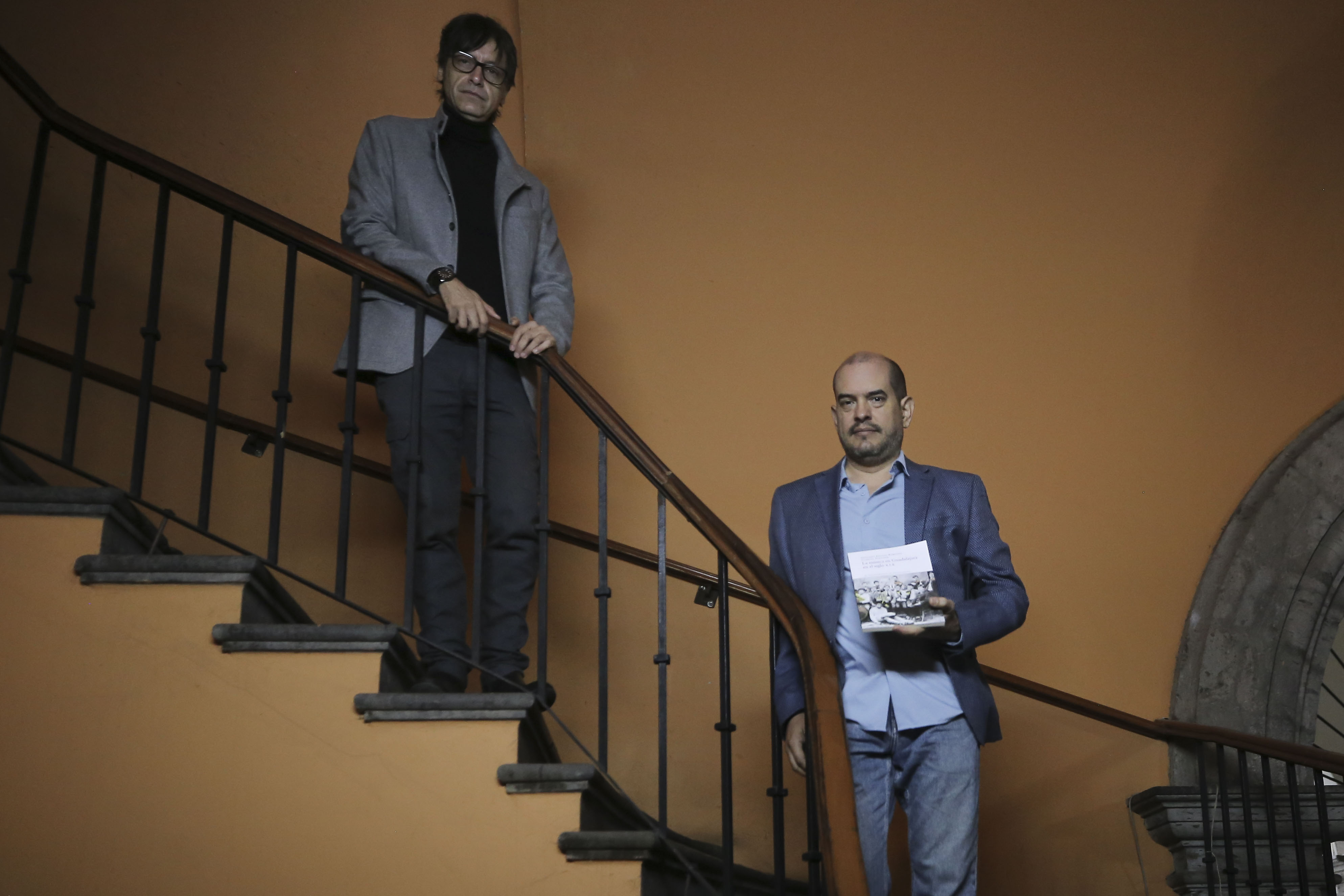
Dr. Gabriel Pareyón, professor and researcher in the Department of History, and Professor Eduardo Escoto Robledo, professor and researcher in the Department of Music at the CUAAD, both from the Universidad de GuadalajaraThey are the co-authors of the book Music in Guadalajara in the 19th Century, which is part of the Biblioteca Tapatía collection, a project promoted by the Guadalajara City Council and the Mexican Culture Seminar to disseminate the history and cultural heritage of the city.
“This book is an effort to bring the world of Guadalajara in the 19th century to a wider audience through its sounds. These sounds are related to a society that has changed a lot, that danced a lot, that encouraged the toquine“It was in public spaces rather than closed spaces, and suddenly, with the passage of time and the end of Independence, proposals for orchestras in closed spaces began to consolidate, achieving the inauguration of the Degollado Theater, which became the headquarters of the City Symphony Orchestra, which has evolved to become the Jalisco Philharmonic Orchestra; therefore, the book seeks to make this entire complex history accessible to all audiences, and not only to historians and music researchers,” commented Pareyón.
The book contains some musical scores that serve as a visual representation of the sounds reproduced at that time, so the creation and research process presented various challenges for the authors.
“Even though we had little time to build it, and we have worked on more technical research, we were very interested in building this book following the line of popularization; it was important to us that material be generated that would function as a tool to understand this topic in an accessible way,” said Escoto Robledo.
“The writing process was rushed,” he added, “it was set up in an unusual timeframe, but it was very satisfying to determine the themes, possibilities, and perspectives that we were able to develop. We had to face challenges such as discussing history, interpreting the social contexts of music, and analyzing technical aspects of music, without making it difficult for a wider audience to understand.”
For Pareyón, integrating these scores is a way for the music to "flirt" and "converse" with the viewer, to seduce the reader and provide evidence of what was produced at that time: "Ideally, a CD or a QR code would be integrated; however, that information can disappear and the scores have been around since the 19th century."
According to the creators, Music in Guadalajara in the 19th century This is not the first approach to the research and dissemination of the sounds created in that era, and it was achieved thanks to multiple efforts; for example, the rescue of that music, performed by contemporary musicians, so this book can represent a reinforcement to that struggle for the dissemination of the work of authors such as José Mariano Elízaga, Cruz Balcázar Villegas, Jesús González Rubio and Clemente Aguirre.
Pareyón and Robledo emphasized that the articles that make up the reading are accessible to all audiences, and not only to academics and musicians, so they hope that readers of all kinds can appreciate the extensive but accessible research, as well as the key data for understanding the sounds that continue to resonate, in one way or another, to this day.
For now, the book, which was presented at the previous Guadalajara International Book Fair, is available for sale in the bookstores of the Guadalajara City Council, and presentations are expected to continue throughout this year, which are announced on the website of Facebookof the CUAAD.
Attentively
"Piensa y Trabaja"
“1925-2025. A Century of Thinking and Working”
Guadalajara, Jalisco, January 14, 2025
Text: Anashely Fernanda Elizondo Corres
Photography: Gustavo Alfonzo
- 355 views