

Calls for responsible tourism to protect crocodile habitat in Puerto Vallarta

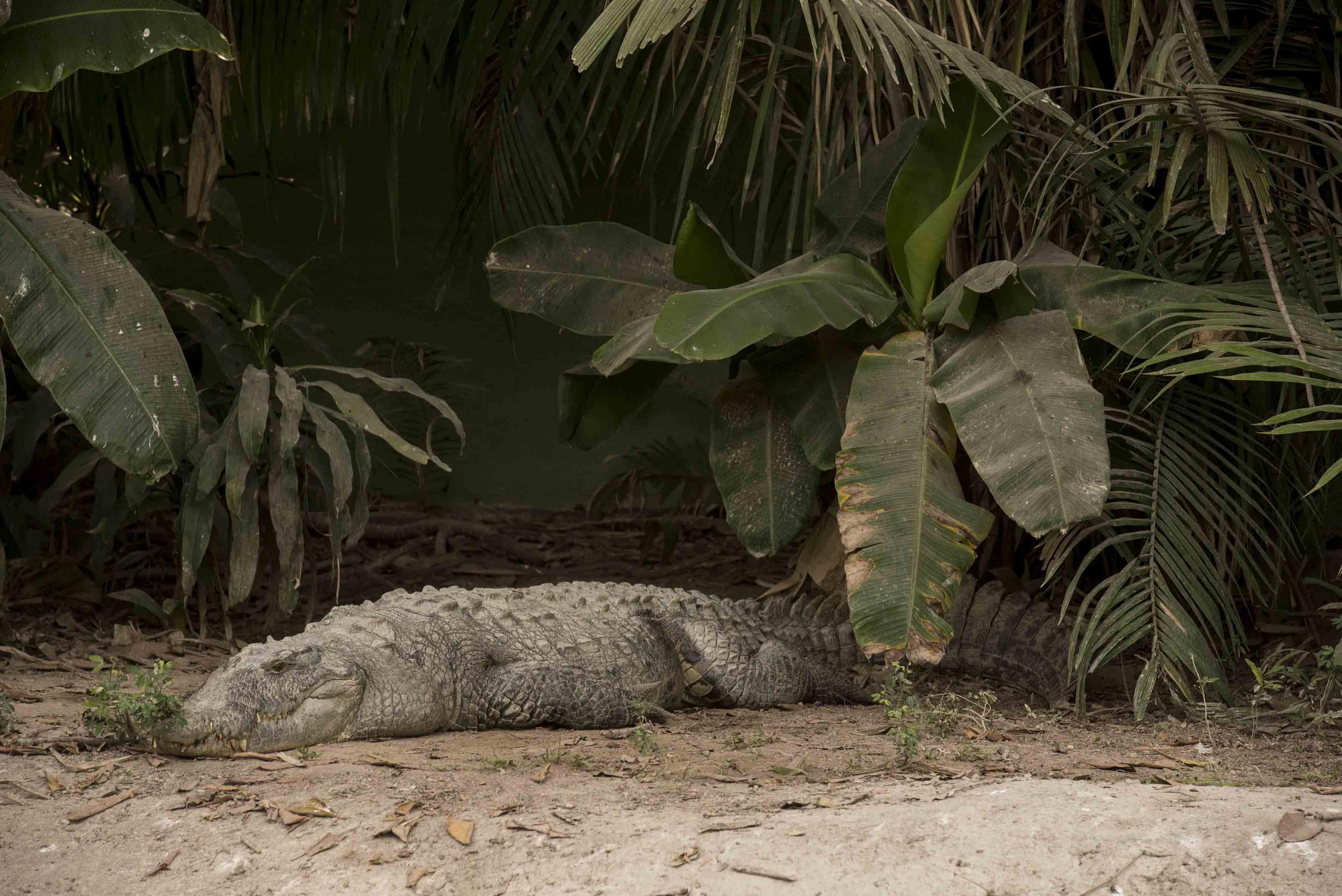
For several years now, Puerto Vallarta has been a premier tourist destination, attracting hundreds of domestic and international visitors each holiday season. This appealing destination, in addition to its vast, warm beaches, boasts diverse wildlife, most notably the presence of crocodiles in the area.
Through an interview, Dr. Pablo Hernández Hurtado, technical manager of the Cipactli reptile house of Centro Universitario de la Costa from the Universidad de Guadalajara, issued Various recommendations on crocodile preservation and sightings, both for tourists and local residents.
Puerto Vallarta: habitat and transit zone for crocodiles
"All of Puerto Vallarta is a crocodile transit area, And all those beaches are open to tourism. The issue is that the crocodile travels through the sea because the estuaries have shrunk due to urban growth, which has caused the old migration channels to disappear. Mainly, There are sightings on beaches near river mouths, such as the Ameca Rivernear the estuary Black mouthThey also travel over the estuary The saltyAmong other things. Construction of the marina and the airport began in the 60s, in areas that were wetlands and part of the estuary. Puerto Vallarta and Banderas Bay have grown, and the tourist zone is now located in all these new areas, which were previously the natural habitat of crocodiles. For this reason, it is now more common to encounter these reptiles; they have been confined to very small spaces, so If the crocodile needs to move, it has no other option but the sea or the urban area.”.
Rain and drought cause crocodiles to cross into urban areas
“The rainy season increases the amount of water, which facilitates the movement of crocodiles to wetlands and pools. However, they are also frequently observed during the dry season, as these areas dry up, forcing the crocodiles to move around in search of new wetlands.”
It is important to mention that The crocodile usually seeks its own protectionTherefore, it will try to avoid human contact; however, if it feels threatened, it will defend itself.”
How can you tell if you're near a crocodile's home?
“Typically, if a crocodile reaches the beach, it won't stay long. It might come ashore to rest for a few minutes and then, usually, it continues on its way, except on beaches like Black Mouth and Tomato Mouthwhere the estuaries are located behind the beaches, making them part of their habitat. In that area, it's easier to spot their tracks, such as tail and paw prints. The estuary The salty It is open to tourism and the Boca Negra estuary has a mesh to prevent contact with the crocodiles; there is a healthy population of crocodiles in that estuary, so public access is now prohibited in order to avoid feeding them and being near them without supervision.”
How to preserve crocodile habitats and what to do if you spot one?
“It is important to conserve and respect the small spaces that belong to the crocodiles, such as the protected area of the El Salado estuary and the small estuary of Black mouth, where the healthiest crocodile population lives. Although it's small, it maintains a stable population and is where most nests are found; research has shown that there are, on average, only six breeding females, so it's necessary to protect them, as we are currently in the egg-laying season. It's important not to approach the nests, as the mothers are very protective, and this could lead to a deadly attackIf you encounter a crocodile on the beaches, it is important not to swim near them, keep pets and children away, and not try to touch or provoke them. Then, you must notify the authorities, in this case Civil Protection or 911, who are trained to handle these situations.
To learn more about the research and care provided at the Cipactli reptile house Information from CUCosta, as well as environmental education talks, can be found on the website http://www.cuc.udg.mx/es/reptilario-cipactli
Attentively
"Piensa y Trabaja"
“1925-2025. A Century of Thinking and Working”
Guadalajara, Jalisco, April 16, 2025
Text: Anashely Fernanda Elizondo Corres
Photography: Abraham Aréchiga | David Valdovinos
- 1312 views