

Civil organizations have taken the lead in inclusion projects in Latin America, says academic
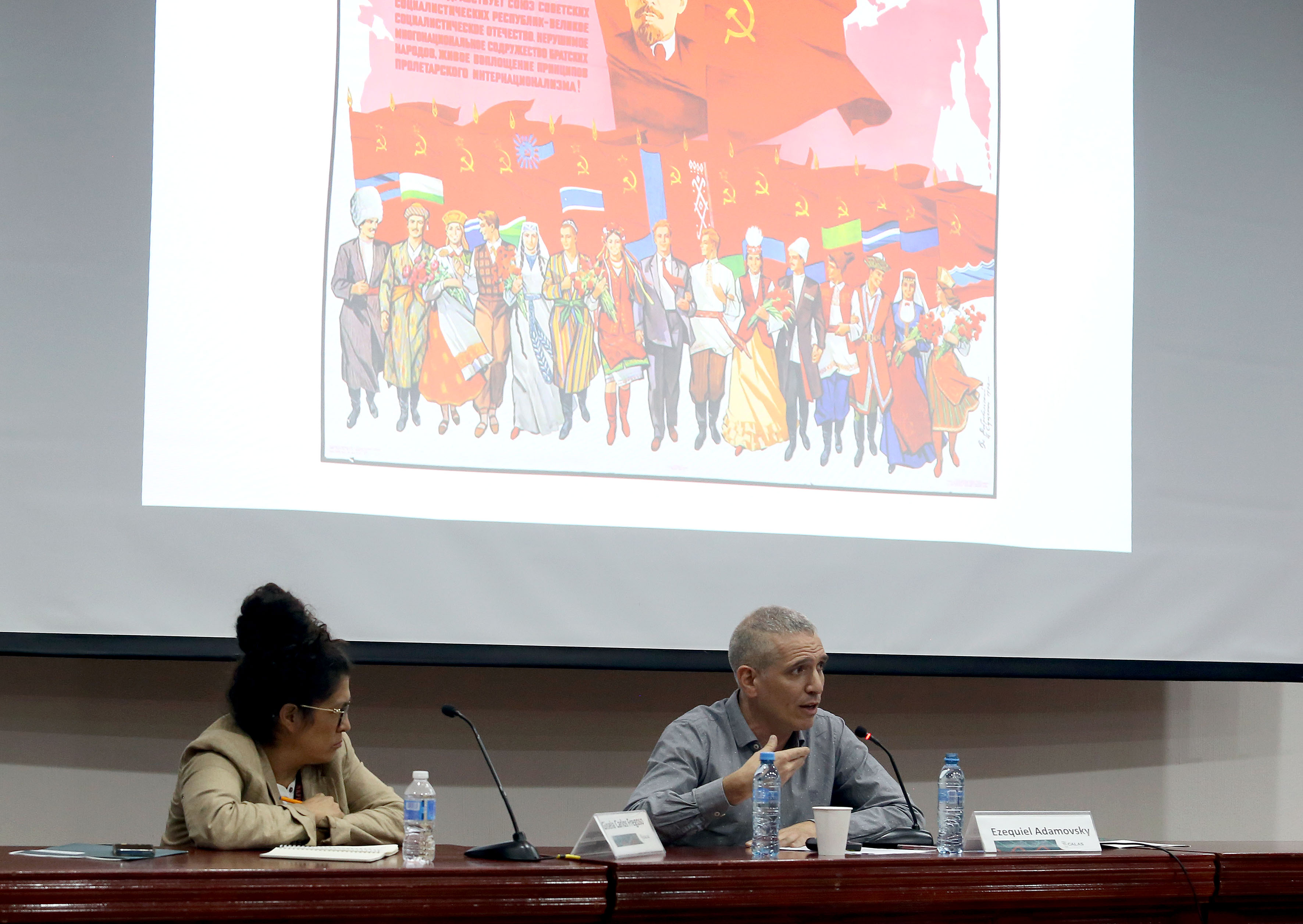

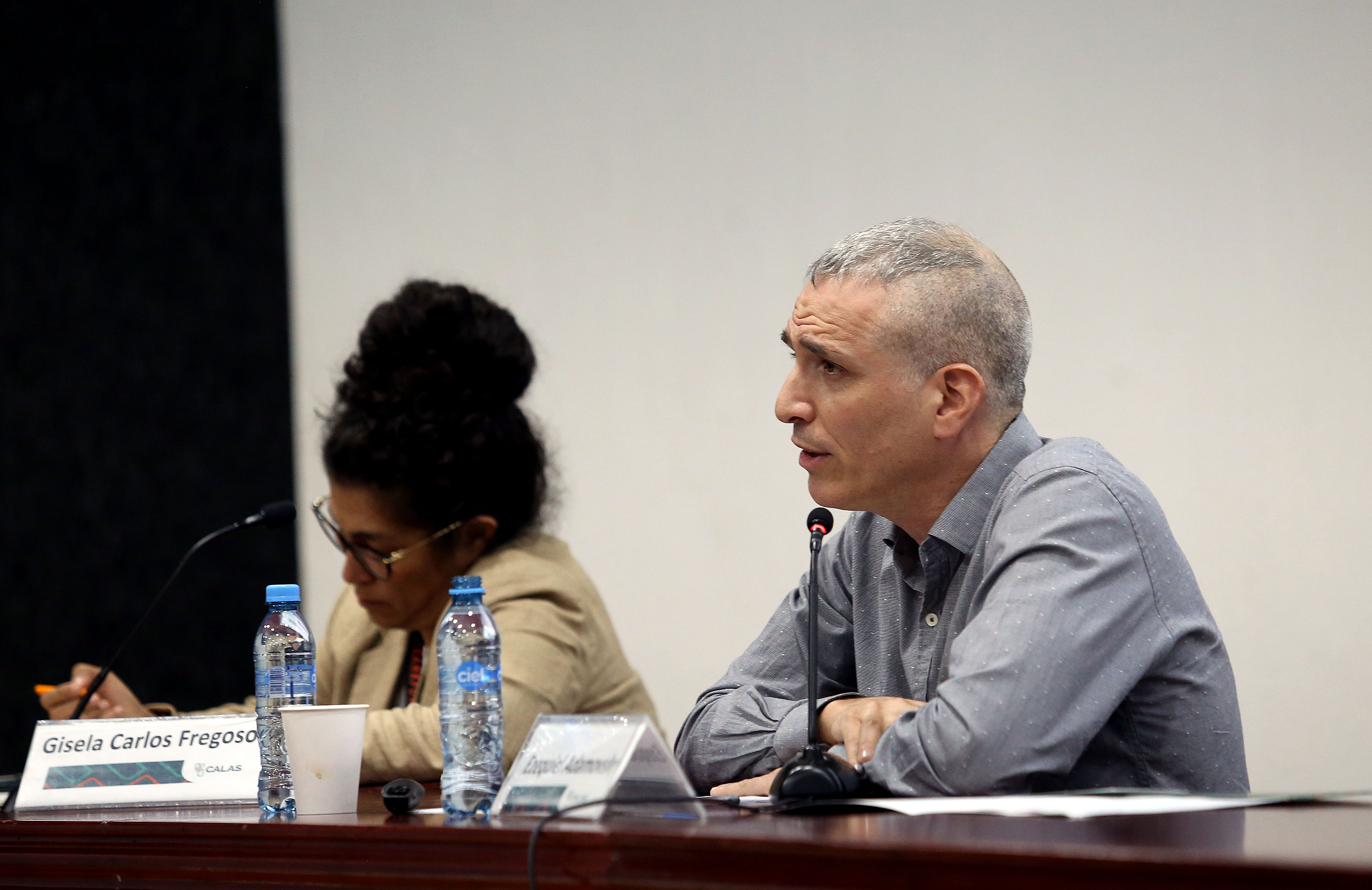
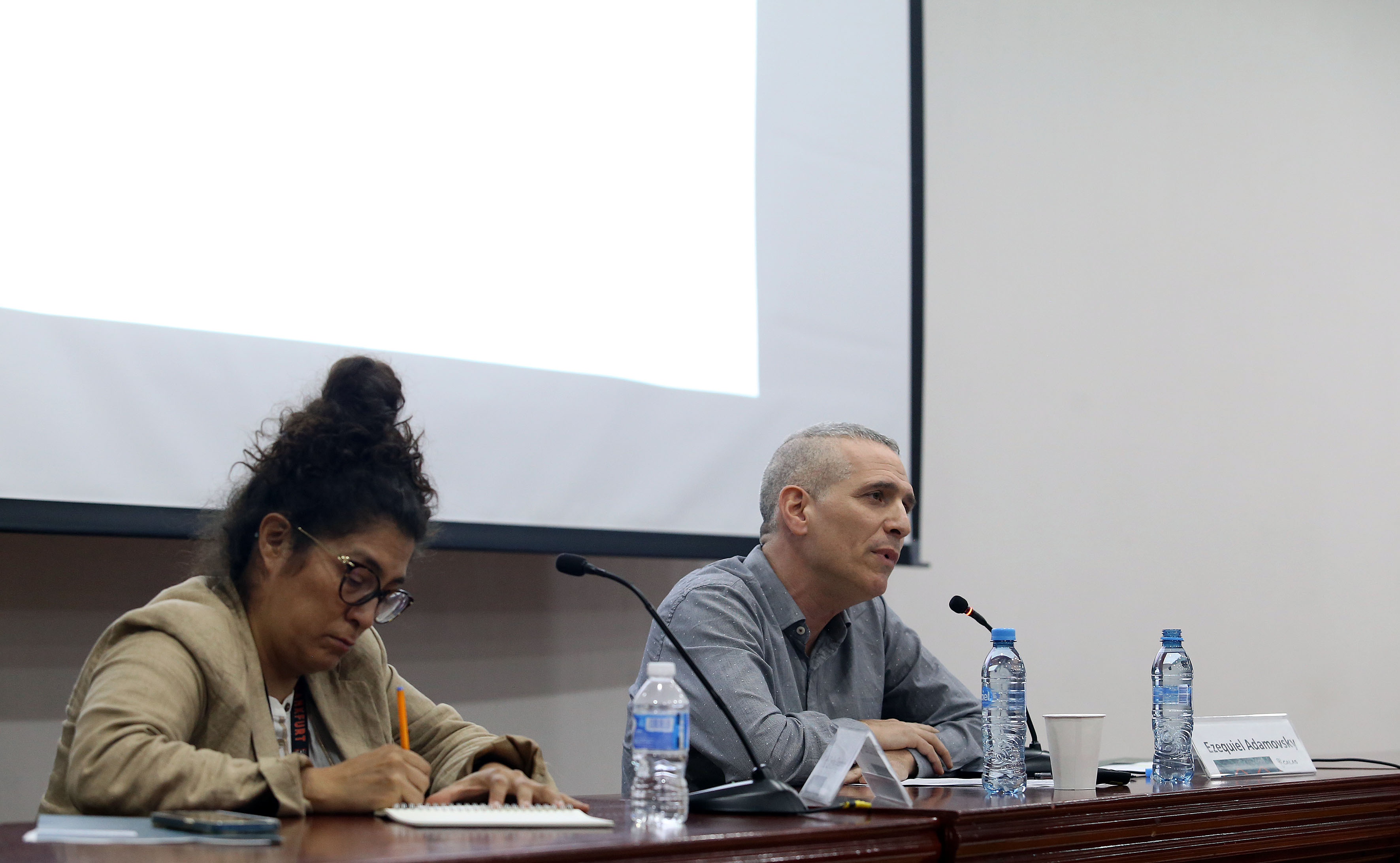
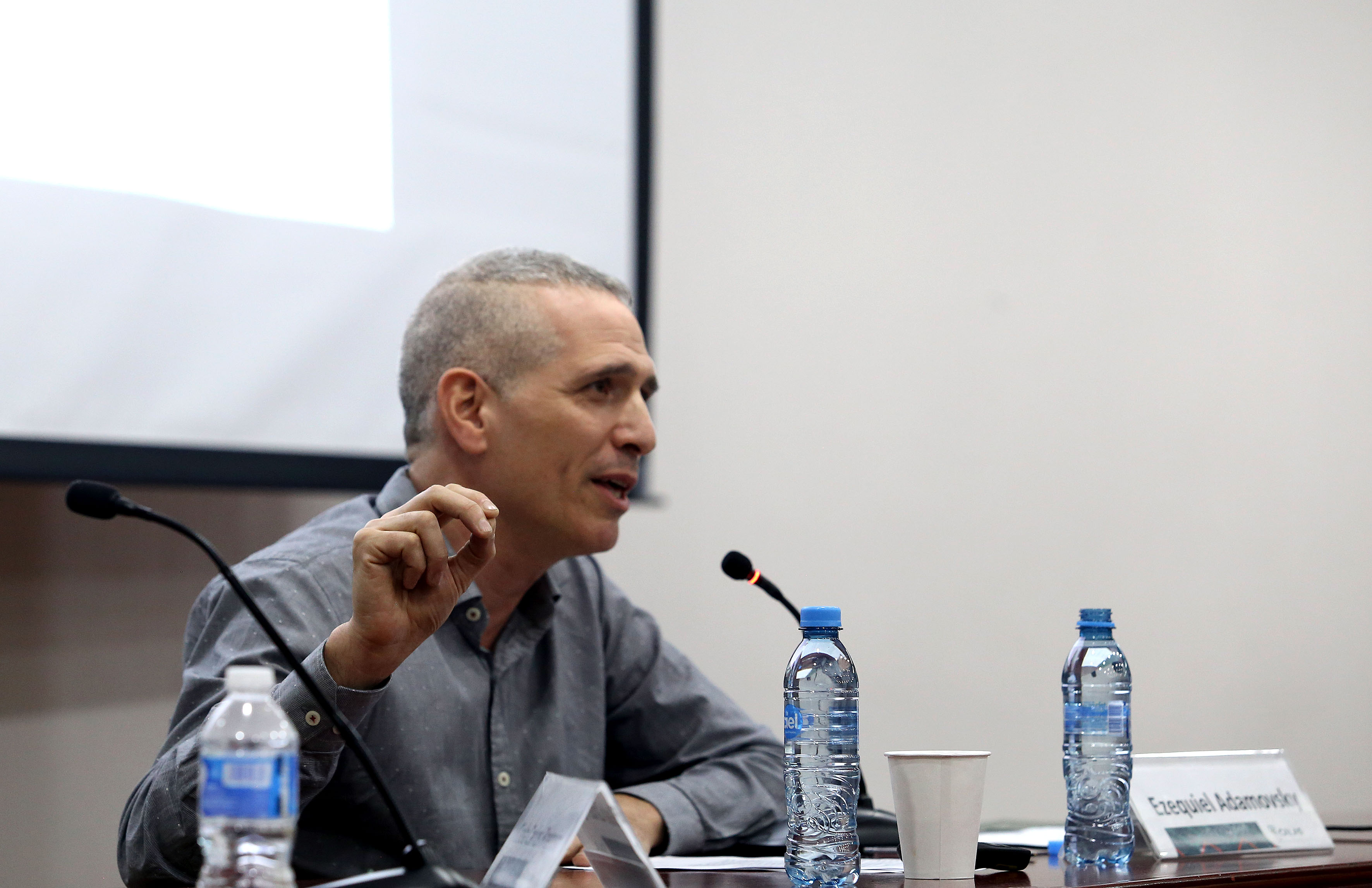
Civil organizations have been the driving force behind inclusion projects in Latin America, recognizing that national policies maintained racist biases and failed to provide a space for minorities such as racialized people or indigenous communities, stated Ezequiel Adamovsky, an academic at the National University of San Martín in Argentina.
“It has to do with the recognition of the limitations and the exhaustion of the inclusion projects that motivated the various nations. We lived through a 19th and 20th century of nation-building that included projects for the inclusion of the popular classes; this construction has had its limits, and exclusion has been enormous and has worsened in recent decades. In this scenario, and given the realization that the promise of equality and inclusion was not fulfilled, the need to discuss the initial project emerges,” he explained.
The specialist gave the lecture “Mestizaje and Multiculturalism: A Peripheral Perspective” on Thursday, at the closing of activities of the Platform for Dialogue “Subaltern Identities. Emergencies, Strategies and Struggles for Cultural Visibility in Latin America”, which took place in the Centro Universitario de Ciencias Sociales y Humanidades (CUCSH), organized by the Maria Sibylla Merian Center for Advanced Latin American Studies in Humanities and Social Sciences (CALAS).
He cited the example of Mexico, whose policies aimed to "envision a mestizo nation" but which, nevertheless, faces pressure from a white culture that fails to recognize Indigenous or Afro-descendant communities. On the other hand, in Argentina, governments have not embraced a mestizo vision; instead, they have proposed "a white European nation."
“Now is the time to put that vision up for discussion, because its promise of equality and inclusion has failed,” Adamovsky stressed.
He added that, despite the cultural diversity and the number of ethnic communities in Latin American countries, economic and class structures foster racism and discrimination.
“There is a whole series of prejudices and value judgments that have a very old, colonial origin, which have persisted and reproduced economic and class structures, in which the richest continue to be people with lighter skin and the poorest continue to be racialized people, indigenous people, migrants, Afro-descendants or mestizos of all kinds,” he stressed.
Attentively
"Piensa y Trabaja"
“2023, Year of promoting comprehensive education with a Network of Multi-thematic Centers and Systems”
Guadalajara, Jalisco, September 1, 2023
Text: Press UdeG
Photograph.Adriana González
- 229 views